August 18, 2026 · 5 min read
How to Lose Weight During Menopause
By The Menopause Diet Plans Team — evidence-based nutrition writers
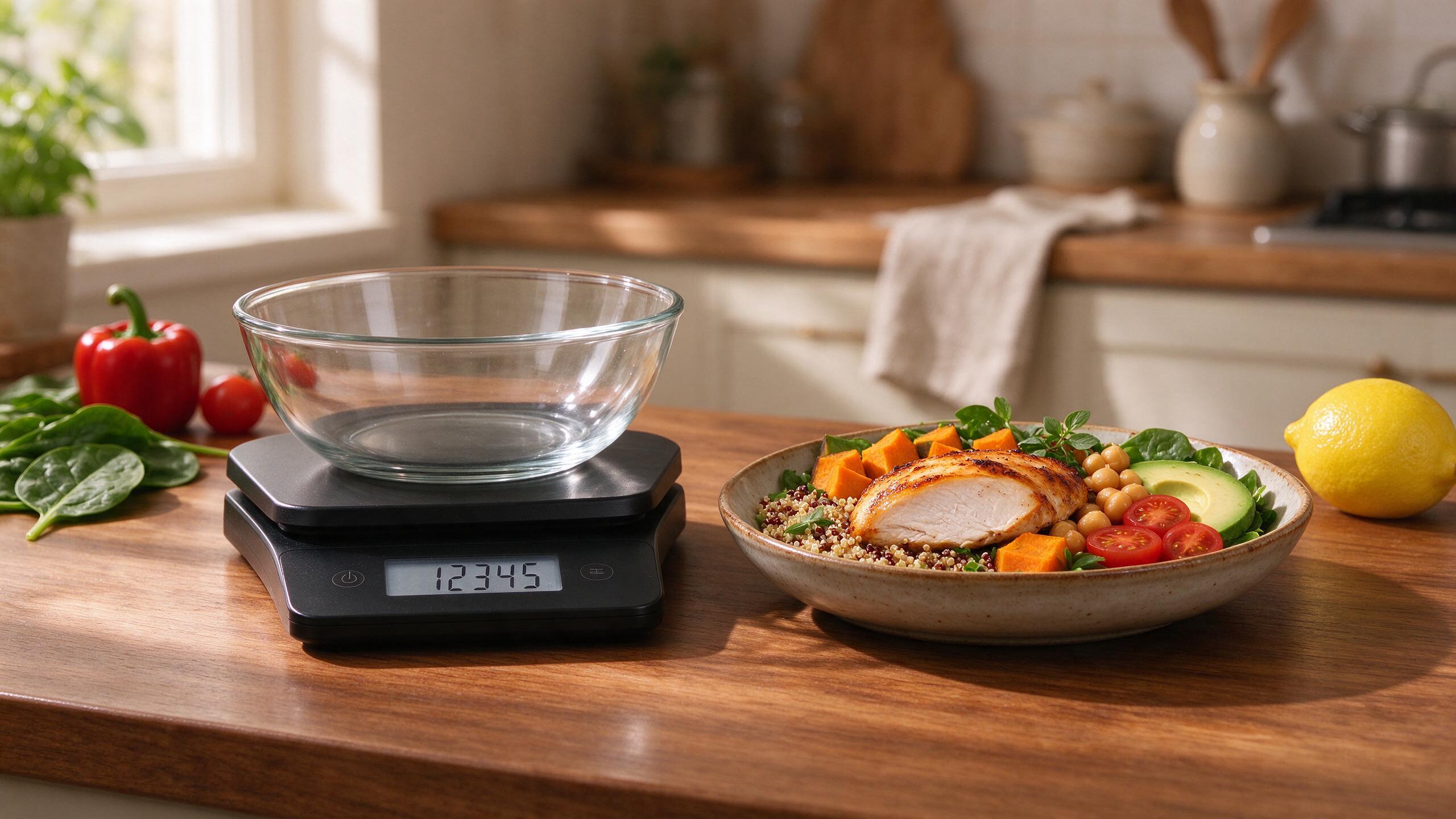
If losing weight felt straightforward at 35 and mysterious at 50, you are not imagining it. During the menopause transition, the same lunch, the same walk, and the same workout can produce different results than they did a decade ago. The encouraging news is that the fundamentals still work: your body still loses fat when you consistently eat a little less than you burn. What changes is how many levers you have to manage at once. This guide walks through the ones that matter most for women 45 and older, with food and movement strategies you can start this week.
Why Weight Loss Feels Harder During Menopause
The biggest quiet change is muscle. Without regular strength training and enough protein, most adults lose muscle gradually through their 40s and 50s, and muscle is where a large share of your daily calorie burning happens. Less muscle generally means a smaller calorie budget. At the same time, busy schedules, changing routines, and disrupted sleep can push spontaneous movement down—shorter walks, fewer errands on foot, more evenings on the couch. None of this is a character flaw. It is a shift in circumstances that calls for a slightly different playbook.
Sleep deserves special mention. Nights that run short or broken do not just leave you tired—they tend to raise appetite and cravings the next day, especially for quick-energy foods. When you are running on five hours of sleep, sticking to a sensible eating plan gets measurably harder. That is why sleep shows up in a weight-loss guide alongside food and exercise rather than as an afterthought.
Start With Protein at Every Meal
Protein is the most useful nutrient to anchor your day around. It digests slowly, keeps you full between meals, and supports muscle maintenance while you lose fat—exactly the combination you want in midlife. A practical target many women find workable is 25 to 30 grams of protein at each main meal. In real-food terms, that looks like a palm-sized chicken breast or salmon fillet, a cup and a half of Greek yogurt, three eggs with a slice of cheese, or a hearty bowl of turkey chili.
You do not need to track grams forever. For the first two weeks, just glance at your plate: is there a clear protein source taking up roughly a quarter of it? If yes, you are close. Our recipes list protein per serving precisely so you can pick meals that fit without doing math at the counter.
Build Meals Around Fiber
Fiber is protein's quiet partner. High-fiber foods—beans, lentils, oats, berries, apples, leafy greens, and whole grains like quinoa—add volume and staying power to meals for very few calories. Fiber also slows digestion, which smooths out the energy dips that used to send you hunting for something sweet at 3 p.m. Aiming for vegetables or fruit at every meal plus a legume most days puts most women in a healthy range without counting a single thing.
Strength Training Twice a Week
If you take one exercise idea from this page, make it this: lift something heavy for you, twice a week. Strength training is how you hold on to muscle while eating in a deficit, and muscle is what keeps your metabolism, posture, and everyday strength from sliding. You do not need a barbell. Two full-body sessions using dumbbells, resistance bands, or your own body weight—squats, hinges, pushes, pulls, carries—cover the basics. Twenty-five focused minutes is enough when you make the weight a little harder over time.
Walking still matters, a lot. It burns calories without much recovery cost, and it fits into real life: a ten-minute loop after lunch, parking farther from the door, taking phone calls on the move. Think of strength training as the foundation and daily steps as the engine that keeps everything running.
Protect Your Sleep
Treat sleep like part of the plan, not a luxury at the end of it. A consistent wind-down time, a cool dark room, and a hard stop on caffeine after early afternoon all help nights run longer and smoother. If night waking or disrupted sleep is regularly shortening your rest, that is worth raising with your healthcare provider—while you keep the daytime habits steady in the meantime.
Watch Added Sugar and Alcohol
Neither sugar nor alcohol is forbidden, but both are easy calories that do not keep you full. A pastry with coffee can add 400 calories before you feel like you have eaten anything, and two glasses of wine can add 250 more while loosening the rules on dinner. The practical move is not perfection—it is awareness. Keep desserts to planned occasions, swap a nightly glass for a smaller pour most nights, and notice how much steadier the rest of the day feels when breakfast is not sweet.
A Simple Weekly Framework
- 1Pick three breakfasts you can repeat—overnight oats, Greek yogurt bowls, veggie omelettes—and rotate them.
- 2Cook two batch dinners on Sunday, such as chili, baked salmon with quinoa, or lentil soup, so weekdays run on autopilot.
- 3Book two 25-minute strength sessions in your calendar the way you would a meeting.
- 4Walk 8,000 to 10,000 steps most days, in whatever chunks fit your schedule.
- 5Anchor every meal with protein and add a fruit or vegetable to each one.
- 6Set a caffeine cutoff in the early afternoon and a consistent lights-out time.
- 7Weigh in no more than once a week—same day, same conditions—and keep a tape measure handy.
What Progress Actually Looks Like
The scale is one signal, not the whole report. Energy, sleep quality, how your clothes fit, and the weights you can lift are all progress markers that matter—especially in weeks when water shifts hide fat loss. Many women in their 50s lose one to two pounds a month at first while feeling noticeably stronger within eight weeks. That is a successful trajectory, even if it is slower than the internet promised.
The women who do best with this are rarely the ones with the strictest plans. They are the ones who pick a handful of repeatable meals, keep protein and vegetables in the fridge, and protect their training and sleep like appointments. If you would rather not design meals from scratch, our meal plans pair these recipes into complete day-by-day menus at several calorie levels, grocery lists included. Pick one, follow it for two weeks, and let repetition do the heavy lifting.